Baker Creek Heirloom Seeds (rareseeds.com) review: best for wonder
The most beautiful seed catalog in America, and a genuinely deep library of heirloom varieties you will not find at any garden center. Buy from it with joy — just remember that a variety photographed at its Missouri best owes your backyard nothing, and let the catalog stretch your garden rather than plan it.
What we like
- Heirloom and open-pollinated depth that borders on the encyclopedic
- The catalog itself is a cultural object — the photography sells gardening to people who'd never considered it
- Open-pollinated focus means you can save your own seed from what you grow
- Rare and international varieties no mainstream catalog will ever carry
- Free catalog remains one of the great pieces of garden marketing ever printed
Flaws but not dealbreakers
- Gorgeous photos are not regional performance data — some showstoppers sulk outside their preferred climates
- Cultural growing information is thin next to Johnny's documentation standard
- Popular varieties sell out fast in the ordering season
- Novelty-forward selection can seduce beginners into hard-to-grow choices
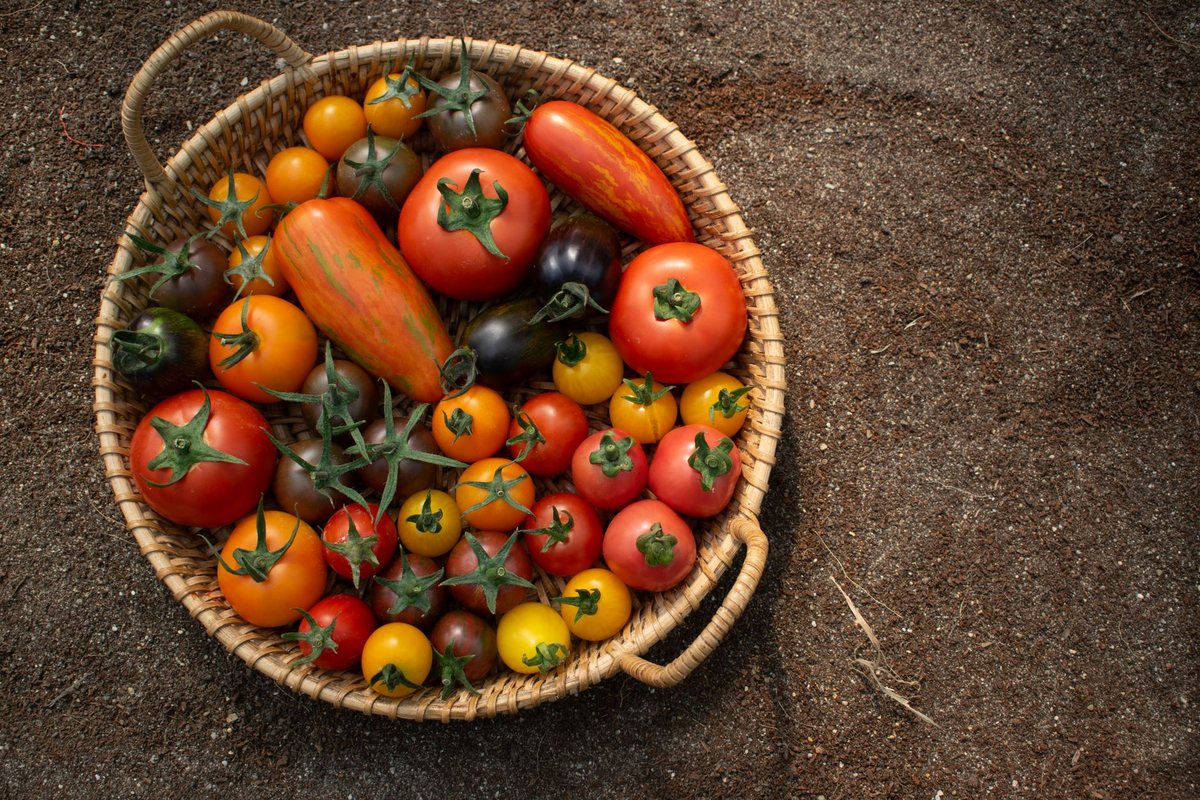
Nobody gets into gardening because of a spreadsheet. They get into it because of something like the Baker Creek catalog: purple carrots, striped tomatoes the size of a fist, squash that looks smuggled out of a fairy tale, all photographed like a Renaissance still life. The Missouri company built the most seductive object in American gardening, and it's worth saying plainly that the seduction is backed by substance — this is a real seed library, not a pretty storefront.
The substance is the heirloom depth. Baker Creek deals exclusively in open-pollinated varieties — seed that breeds true, which means you can save seed from this year's best plant and grow it again forever. That's not a nostalgia feature; it's the entire original logic of gardening, and Baker Creek is one of the few companies operating at scale that treats it as the point. The range runs from American heirlooms to varieties gathered from growers around the world, many of which exist in no other catalog you can order from.
Worth reading alongside our Where to Actually Buy Seeds: A Catalog Strategy, Not a Winner before you commit.
Now the caution, offered with love. A catalog photograph is a variety's best day at the company's own farm, and heirlooms — precisely because nobody bred modern disease resistance into them — tend to be more opinionated about where they'll thrive. The melon that headlines the catalog may need a longer, hotter season than your zone offers; the tomato with the tragic backstory may melt in your humidity. This is not a flaw in Baker Creek so much as the physics of heirloom gardening, but the catalog's romance actively works against remembering it.
The practical friction is real too. Growing instructions are brief where Johnny's would give you a page, so newer gardeners should expect to look elsewhere for the how. Ordering season has a Black Friday quality — the famous varieties sell through, and restocks are a waiting game. None of this is disqualifying; it's just the texture of buying from a company whose catalog reaches far more people than any single harvest could satisfy. Shipping and service run competently in season, but the winter surge means patience is part of the terms — order in the quiet months if a specific variety anchors your plan.
Our suggested protocol: let Baker Creek be a third of your seed order, not the whole of it. Anchor the garden with varieties you know perform in your climate — from Johnny's, from a regional company, from your own saved seed — and then spend the Baker Creek portion on wonder. Two or three gambles a season, chosen after a quick check that your zone and season length are even in the conversation.
Graded as a seed company, this is an easy recommendation. Graded as what it actually is — the thing that turns non-gardeners into gardeners and gardeners into collectors — it might be the most important catalog in the category. Just plant the pretty thing next to something dependable, and you'll get to enjoy both kinds of gardening at once, in the same bed.
Key specs
- Type
- Heirloom seed company — open-pollinated varieties only
- Best for
- Seed savers, variety collectors, gardeners who garden for wonder
- Watch for
- Your zone and climate — the photos were not taken in your yard