Where to Actually Buy Seeds: A Catalog Strategy, Not a Winner
No single seed catalog deserves your whole order, because the catalogs are good at different jobs: one documents, one enchants, one certifies, one teaches. Here's how we'd split an order across the companies we reviewed — and the one habit that matters more than any brand choice.
Johnny's Selected Seeds
Documentation-grade growing information and varieties chosen for performance. The catalog professionals order from, and the standard the rest of the category is graded against.
Baker Creek Heirloom Seeds (rareseeds.com)
The most seductive catalog in gardening, backed by real heirloom depth. Give it a third of your order and a zone check — not the whole plan.
High Mowing Organic Seeds
The whole catalog is certified organic, so the label-reading ends. Seed raised the way low-input home gardens actually grow it.
Renee's Garden Seeds
The packet backs are the best free gardening instruction in retail. A small, trialed line where someone already said no on your behalf.
Anchor on performance, spend the rest on joy
The bulk of a seed order should come from a catalog that publishes real cultural information and selects varieties for how they grow, not how they photograph — that's the anchor. Once the garden's backbone is dependable, the remaining slots are safely spent on romance: heirlooms with stories, art on the packet, the striped tomato you can't explain. The anchor keeps the season; the gambles keep you gardening.
Match the catalog's latitude to yours
Every catalog is written somewhere, and its instincts — season length, humidity, what counts as full sun — follow its home ground. Northern companies think in short seasons; Southeastern ones think in fungal pressure. At least one of your suppliers should garden in weather that resembles yours, and every variety you order should survive a quick check against your own hardiness zone and frost dates. The packet can't know where it's going; you do.
The habit worth more than the brand
Whatever you buy, write down what actually happened — which varieties earned their bed and which just occupied it. Two seasons of notes beats any catalog's marketing at choosing next year's order, and it's how open-pollinated purchases graduate into saved seed that costs nothing at all.
Johnny's Selected Seeds
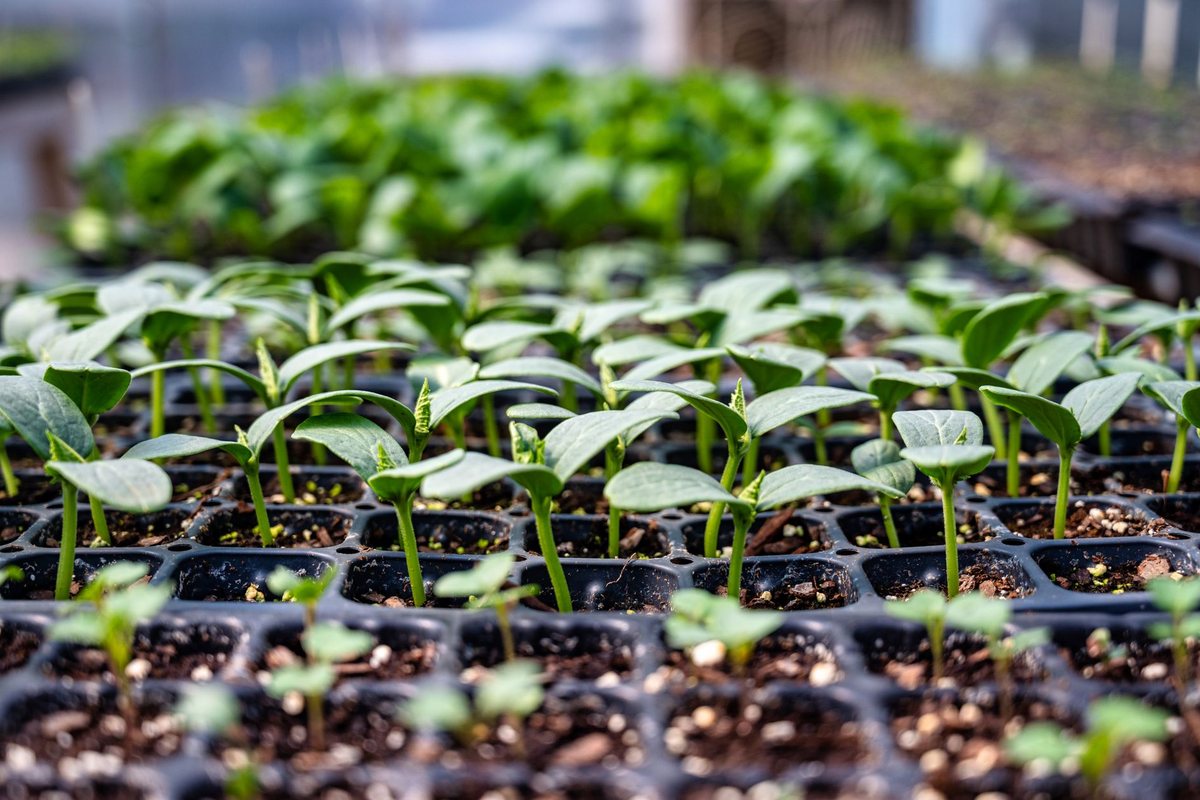
Documentation-grade growing information and varieties chosen for performance. The catalog professionals order from, and the standard the rest of the category is graded against.
What we like
- Employee-owned company whose catalog doubles as a legitimate growing manual
- Varieties selected and trialed for how they actually perform, not how they photograph
- Cultural information — spacing, succession, season notes — printed where you need it
- Serves commercial growers, so germination and seed quality standards are professional-tier
Flaws but not dealbreakers
- The catalog's aesthetic is a spreadsheet next to Baker Creek's storybook — romance is not the product
- Packet pricing sits above bargain seed racks, which stings for casual one-bed gardeners
- Breadth of professional options can overwhelm someone who just wants a tomato
- Heirloom purists will find plenty of modern hybrids they came to avoid
Baker Creek Heirloom Seeds (rareseeds.com)
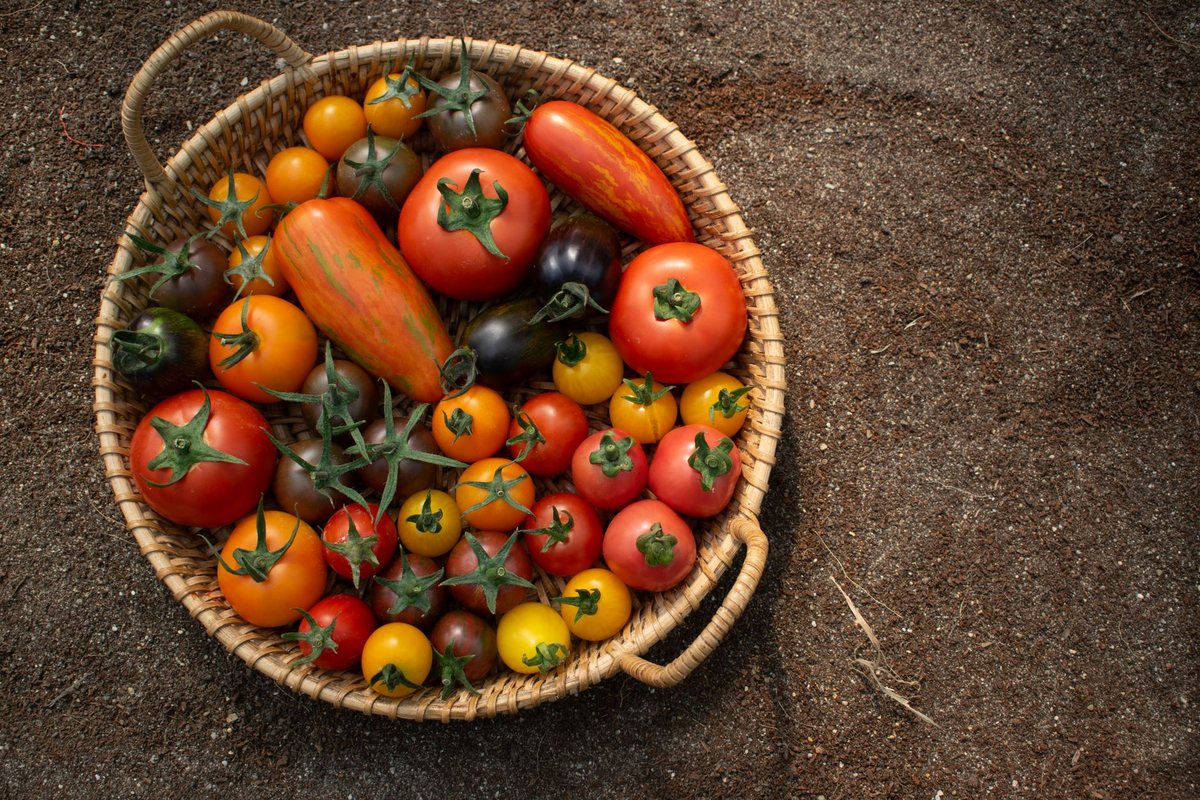
The most seductive catalog in gardening, backed by real heirloom depth. Give it a third of your order and a zone check — not the whole plan.
What we like
- Heirloom and open-pollinated depth that borders on the encyclopedic
- The catalog itself is a cultural object — the photography sells gardening to people who'd never considered it
- Open-pollinated focus means you can save your own seed from what you grow
- Rare and international varieties no mainstream catalog will ever carry
Flaws but not dealbreakers
- Gorgeous photos are not regional performance data — some showstoppers sulk outside their preferred climates
- Cultural growing information is thin next to Johnny's documentation standard
- Popular varieties sell out fast in the ordering season
- Novelty-forward selection can seduce beginners into hard-to-grow choices
High Mowing Organic Seeds

The whole catalog is certified organic, so the label-reading ends. Seed raised the way low-input home gardens actually grow it.
What we like
- Every listing is certified organic — no label-reading, no marked corner of the catalog
- Seed produced for organic systems tends to perform in low-input home gardens
- Serves commercial organic farms, with the quality standards that implies
- Strong cultural information in the Johnny's tradition, if not quite its depth
Flaws but not dealbreakers
- Narrower total range than the generalist giants — this is a focused catalog
- Organic certification carries a price premium the seed rack will undercut
- Flower selection is functional rather than a destination
- If organic isn't a priority for you, the premium buys philosophy more than performance
Renee's Garden Seeds

The packet backs are the best free gardening instruction in retail. A small, trialed line where someone already said no on your behalf.
What we like
- Packet-back growing instructions are the most genuinely instructive in the category
- Curated, personally trialed selection — someone said no to a lot so you don't have to
- Watercolor packet art is lovely without a gallery markup
- Mixes and duos designed for real kitchen-garden use rather than catalog drama
Flaws but not dealbreakers
- Deliberately small catalog — collectors and variety hunters will exhaust it quickly
- Not the source for rare heirlooms or professional-grade bulk
- Experienced gardeners may find the hand-holding tone redundant