Growing Things Without a Yard: What's Worth It on a Balcony Budget
Small-space growing is where garden retail gets most creative about separating you from money, because every product promises to replace the yard you don't have. Some genuinely deliver. Here's the working hierarchy for balconies, windowsills and countertops — and where the spending order actually matters.
easyplant Self-Watering Potted Plants
A finished plant-plus-reservoir system that deletes the most common houseplant death. Pay the convenience premium knowingly and mind the light, which the tank can't fix.
Gardenuity Container Garden Kits
Season-matched kits with live plants and coaching — tuition for year one. Graduate to the nursery once the training wheels have done their job.
Seed Starting Kits vs. Doing It Yourself (Category Check)
The box is harmless but the decisive gear isn't in it. Buy a real light, time your sowing to your frost date, and improvise the trays.
Tower Garden
The aeroponics genuinely work; the grocery math genuinely doesn't. Buy it as a hobby with running costs, or put the money in soil and seeds.
Buy solutions to your real failure mode
Small-space products succeed when they target the thing that actually kills your plants. If you forget to water — or overdo it — a reservoir system is a genuine fix, not a gadget. If your seedlings come out pale and leggy, the missing product is light, not a nicer tray. Diagnose first; the aisle is full of cures for diseases you don't have.
Light is the currency, and balconies are honest about it
Indoors and out, the constraint on small-space growing is light, and no kit, tower or subscription can overrule a north-facing window. Count your actual sun hours before buying anything that claims to grow food, and let that number veto optimism. The happiest small-space gardeners are the ones growing what their light supports — herbs and greens in modest light, fruiting crops only where the sun genuinely lands.
Systems have running costs; pots don't
The powered tier — towers, hydroponics, app-connected planters — trades money for capability and adds ongoing costs: nutrients, electricity, cleaning, parts. Sometimes that trade is worth it, especially for winter greens in cold climates. But a container of soil on a sunny balcony remains the best value in the category, and it fails gracefully in a way no pump-driven system can.
easyplant Self-Watering Potted Plants
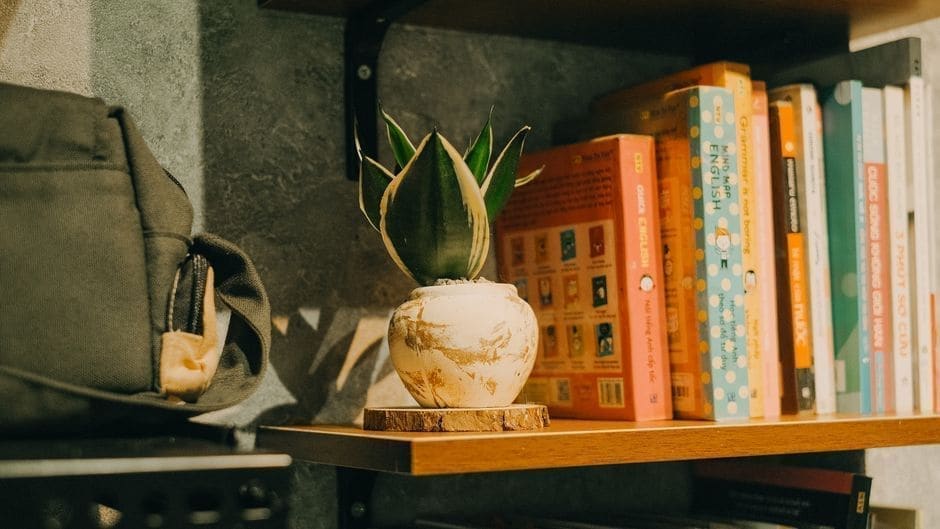
A finished plant-plus-reservoir system that deletes the most common houseplant death. Pay the convenience premium knowingly and mind the light, which the tank can't fix.
What we like
- Reservoir watering removes the single most common way houseplants die
- Arrives potted and established — zero repotting, zero soil on the counter
- Curation by light level makes matching a plant to a room hard to get wrong
- Legitimately good gift format: the recipient inherits a system, not a chore
Flaws but not dealbreakers
- Clear convenience premium over buying the same plant and a pot separately
- Reservoir care can lull owners past the other variables — light still matters
- Pot and plant are a package; style choices live within the brand's range
- Not the path for people who enjoy the actual craft of potting and tending
Gardenuity Container Garden Kits
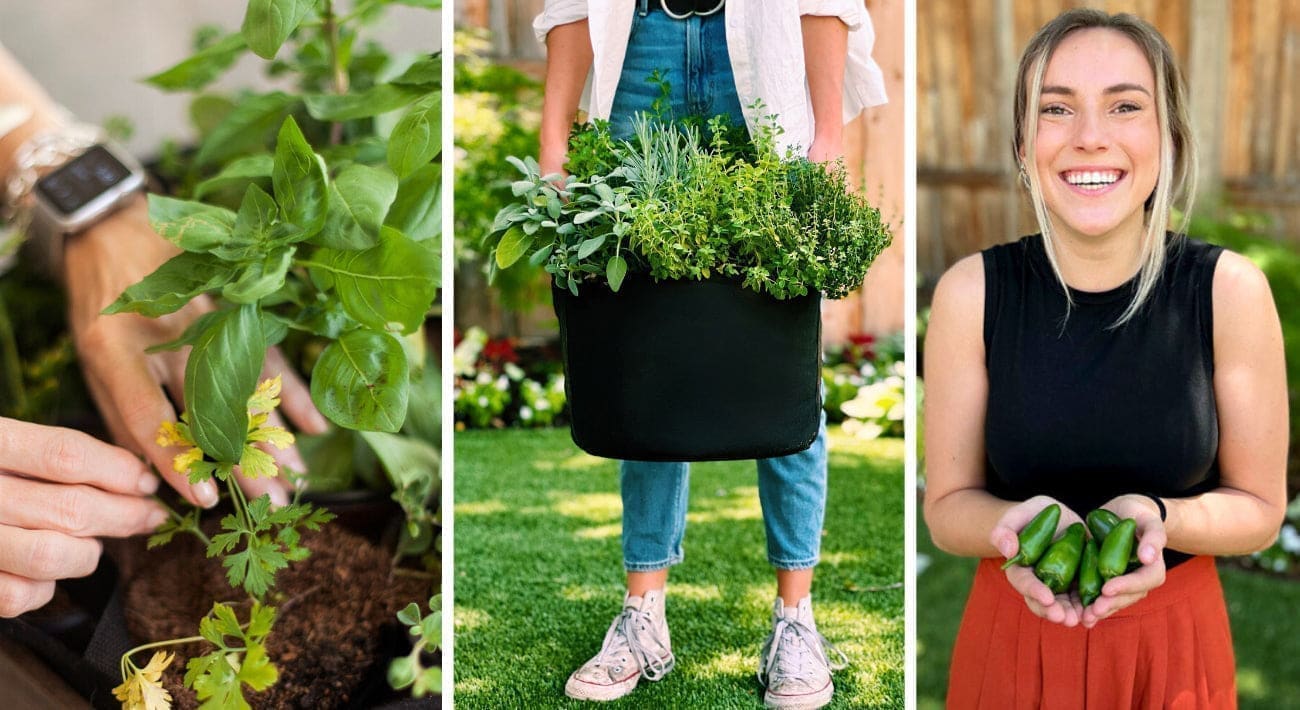
Season-matched kits with live plants and coaching — tuition for year one. Graduate to the nursery once the training wheels have done their job.
What we like
- Kits matched to your location and season take the hardest beginner decision off the table
- Arrives with live plants, not seeds — the discouraging early failure window is skipped
- Ongoing guidance and check-ins genuinely help first-timers stay engaged
- Strong corporate-gift and team-experience format that regular nurseries can't match
Flaws but not dealbreakers
- Substantial premium over assembling the same container from a nursery
- The matched-to-you framing still can't overrule your actual balcony's light
- Experienced gardeners are paying for coaching they don't need
- A subscription-shaped relationship with a hobby that eventually should stand alone
Seed Starting Kits vs. Doing It Yourself (Category Check)

The box is harmless but the decisive gear isn't in it. Buy a real light, time your sowing to your frost date, and improvise the trays.
What we like
- Everything arrives in one box — a real convenience for a first attempt
- Domed trays do hold humidity well for germination
- Cell trays are reusable for seasons if treated gently
- A reasonable gift that gets someone started without overwhelming them
Flaws but not dealbreakers
- The decisive equipment — a real light source — is missing from most kits
- Windowsill light produces the leggy, leaning seedlings the box never shows
- The included parts cost very little assembled from a garden center yourself
- Peat-pellet versions add a format quirk that complicates transplanting
Tower Garden
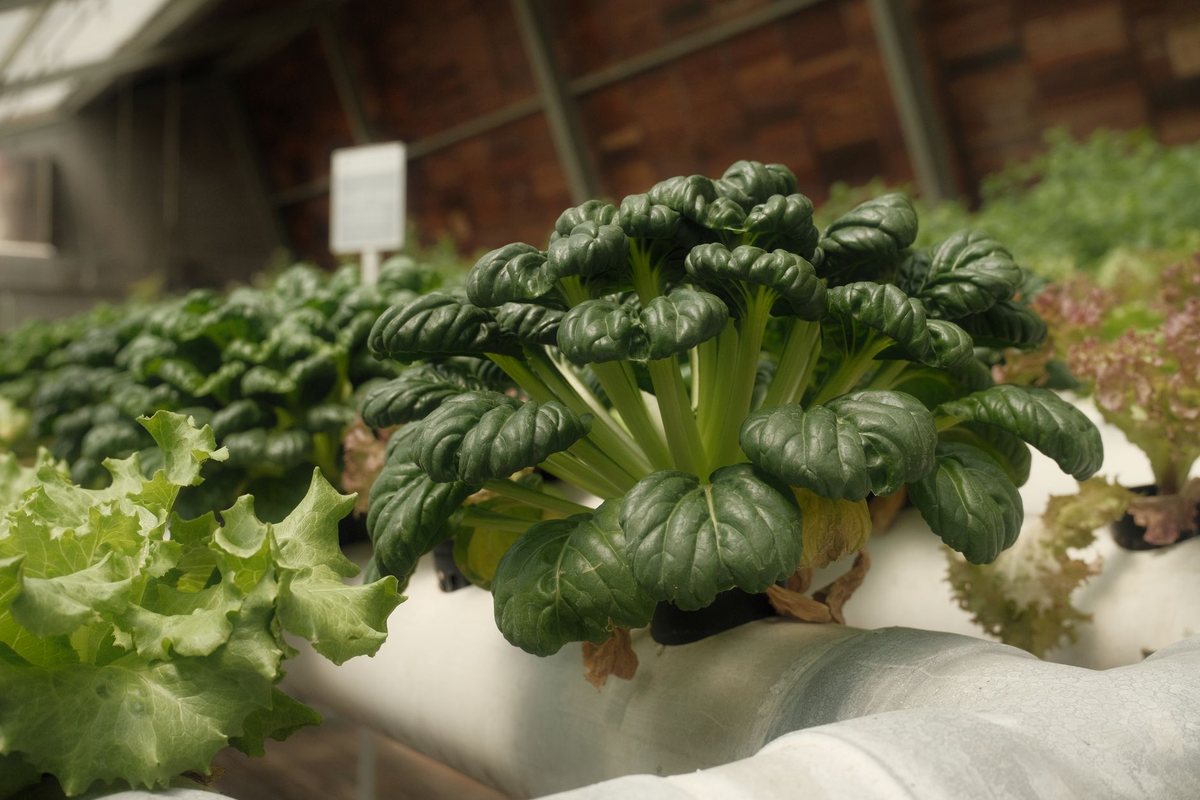
The aeroponics genuinely work; the grocery math genuinely doesn't. Buy it as a hobby with running costs, or put the money in soil and seeds.
What we like
- Vertical aeroponics really does produce fast, clean greens in minimal space
- No soil and no weeds — an option for patios, balconies and indoor corners where beds aren't
- Genuinely engaging for kids and classrooms; the growth is visible almost daily
- Indoor growing with lights extends salads through winter in cold zones
Flaws but not dealbreakers
- High upfront cost that greens savings will not realistically repay
- Ongoing consumables — mineral nutrients, replacement parts — plus the power bill
- Pump and reservoir need actual maintenance; neglect shows up fast in a closed system
- Best suited to greens and herbs; fruiting crops are possible but demand much more from you