Seed Starting Kits vs. Doing It Yourself (Category Check) review: diy first
The boxed seed-starting kit is a fine product solving a mostly imaginary problem. Cells, tray, dome — the parts are cheap, and the two things that actually decide your seedlings' fate, light and timing, aren't in the box. Buy a light before you buy a kit.
What we like
- Everything arrives in one box — a real convenience for a first attempt
- Domed trays do hold humidity well for germination
- Cell trays are reusable for seasons if treated gently
- A reasonable gift that gets someone started without overwhelming them
Flaws but not dealbreakers
- The decisive equipment — a real light source — is missing from most kits
- Windowsill light produces the leggy, leaning seedlings the box never shows
- The included parts cost very little assembled from a garden center yourself
- Peat-pellet versions add a format quirk that complicates transplanting
- The kit implies buying is the step that matters; timing your zone's frost dates is
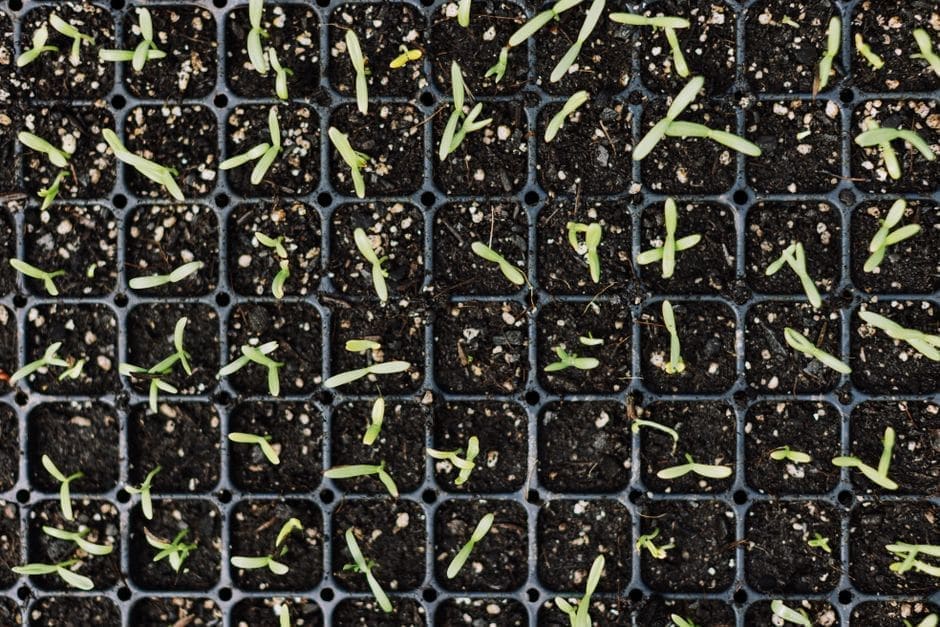
Every spring the garden aisle fills with seed-starting kits — cell tray, drip tray, humidity dome, sometimes a pellet of compressed peat per cell — and every spring a new cohort discovers the same thing in April: a windowsill full of pale, leaning seedlings stretched thin toward the glass. The kit didn't fail. The kit just never contained the thing that mattered.
Seedlings are decided by light, and residential windows in late winter don't have enough of it — not in most climates, not on most sills. Plants stretched toward inadequate light grow tall, weak and floppy, and they carry that bad start into the bed. The unglamorous fix is a simple full-spectrum shop light hung close over the tray, which costs about what the nicer kits do and improves outcomes more than every dome and pellet combined. If the budget covers one purchase, that's the purchase; the container hardly matters.
For the wider picture, our Growing Things Without a Yard: What's Worth It on a Balcony Budget covers how this category shakes out.
Because here's the quiet embarrassment of the category: the box's contents are nearly free to improvise. Nurseries sell cell trays for little; yogurt cups with drainage holes work; a clear produce clamshell is a humidity dome. The other decisive factor costs nothing at all — sowing at the right moment for your hardiness zone, counted back from your last frost date, so seedlings are garden-ready exactly when the garden is ready for them. Too early is the beginner's signature move, and no kit prevents it.
Verdict: a kit is a harmless convenience and a decent gift, so the rating stays civil. But ranked by what actually grows a stocky green seedling, the shopping list runs light first, timing second, seed quality third, and the box a distant last. Spend in that order and the windowsill tragedy skips your house entirely.
Key specs
- Type
- Category review — boxed seed-starting kits
- Our position
- Fine to buy, silly to rely on — light and timing decide everything