Tower Garden review: hobbyists only
The vertical aeroponic tower genuinely grows impressive greens in a closet-sized footprint — the technology is not the problem. The problem is the total cost of ownership: a serious upfront price, ongoing nutrient purchases, electricity, and cleaning, all to grow crops that are cheap at the store. Buy it as a hobby you'll love, not as a grocery strategy.
What we like
- Vertical aeroponics really does produce fast, clean greens in minimal space
- No soil and no weeds — an option for patios, balconies and indoor corners where beds aren't
- Genuinely engaging for kids and classrooms; the growth is visible almost daily
- Indoor growing with lights extends salads through winter in cold zones
Flaws but not dealbreakers
- High upfront cost that greens savings will not realistically repay
- Ongoing consumables — mineral nutrients, replacement parts — plus the power bill
- Pump and reservoir need actual maintenance; neglect shows up fast in a closed system
- Best suited to greens and herbs; fruiting crops are possible but demand much more from you
- A power outage or pump failure is an emergency in a way soil never is
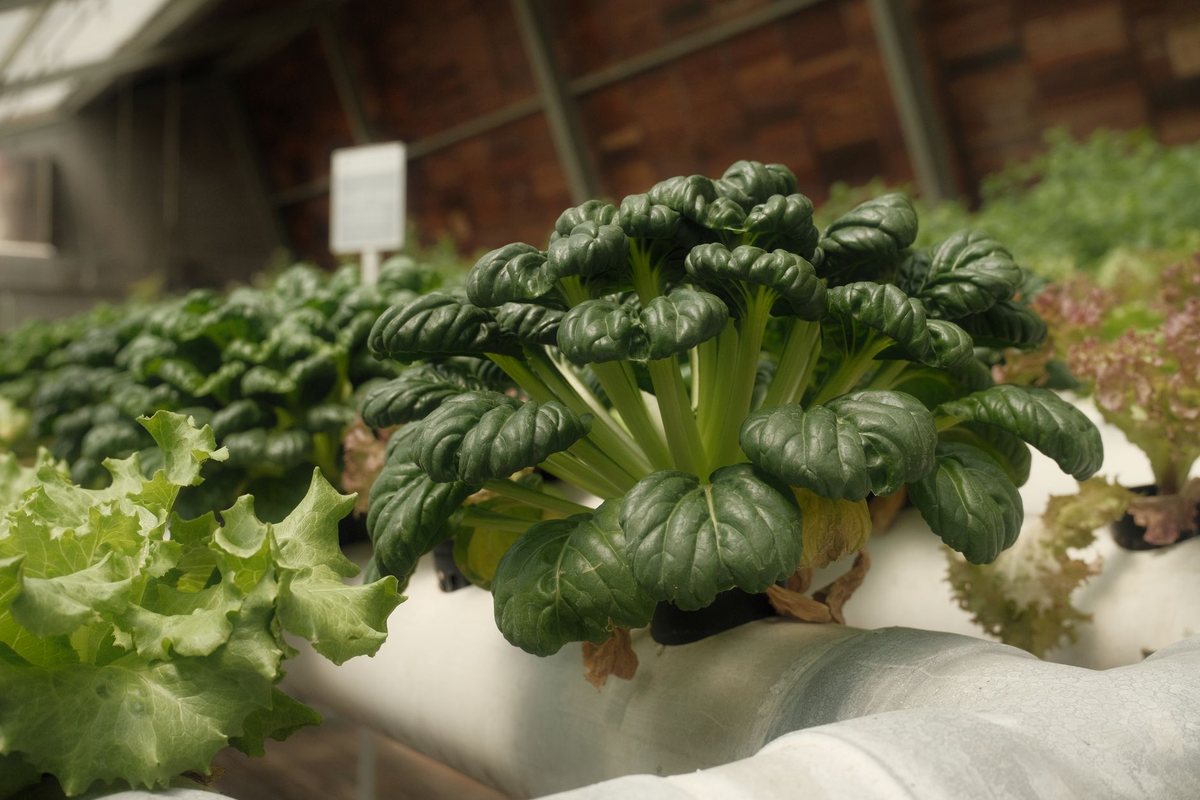
The Tower Garden demo is legitimately convincing: a column of lettuce, herbs and greens erupting from a footprint smaller than a bar stool, roots misted in a chamber instead of buried in a bed. Aeroponics is real technology and this is a polished consumer version of it — plants grow quickly, cleanly, and in places where a garden bed could never go. If the question is 'does it work,' the answer is a comfortable yes.
The question that actually decides the purchase is different: what does each salad cost by the time you count everything? The tower itself is a serious upfront spend, and it's the beginning rather than the end — the mineral nutrient solution is a recurring purchase, the pump draws power around the clock, indoor setups add grow lights, and parts eventually want replacing. Meanwhile the crops the tower is best at — lettuce, herbs, greens — sit near the bottom of the produce aisle's price list. As grocery arithmetic, it doesn't close, and the brand's own community mostly doesn't pretend otherwise.
The category context lives in our easyplant Self-Watering Potted Plants.
There's also a maintenance truth that soil gardeners underestimate: a closed water system is less forgiving, not more. The reservoir wants checking and cleaning, the nutrient balance wants attention, and a failed pump or a long power outage puts the whole column at risk on a timeline measured in hot afternoons — soil shrugs off a lapse that aeroponics won't. This is a system you tend, not an appliance you ignore.
The holiday problem follows directly from that, and it is the one most owners meet the hard way. A garden bed can be left for a fortnight in summer and will be untidy but alive. A tower left the same fortnight depends on a pump running, a reservoir not emptying, and nothing clogging — and if any of the three fails on day three, you come home to a column of dead plants rather than a wilted one. Anyone who travels regularly should either plan a competent plant-sitter with written instructions or accept that the growing season is the season they are home.
Crop choice is where expectations and reality separate. Leafy greens, herbs and strawberries genuinely thrive in this format — fast, shallow-rooted, harvested continuously. Tomatoes, peppers and anything else that fruits are possible and are what the marketing photographs, but they demand more light than a room provides, more support than the tower gives by default, and pollination you have to do yourself indoors with a brush or a fan. They also grow heavy and top-loaded, which is a stability question on a tall column. None of this makes fruiting crops a mistake; it makes them a project rather than a feature.
Placement deserves more thought than it usually gets, because it is not easy to change later. Outdoors, the tower wants sun but not the hottest afternoon exposure, since a small reservoir heats up far faster than soil does — warm water in a closed system is where root problems begin. Indoors, it needs an outlet, tolerance for a pump that runs day and night within earshot, and a floor you do not mind getting damp, because reservoir top-ups and cleanings do not happen neatly. Kitchens and bright hallways work; bedrooms rarely survive the pump.
So the rating lands in the middle, and deliberately. As a food-budget device it's a poor buy; as a hobby — the tinkerer's garden, the family science project that produces dinner garnish, the winter salad machine in a snow-country kitchen — it delivers a kind of delight soil can't. Buy it for the second reason with clear eyes about the costs, or put the same money into raised beds and seeds and grow ten times the food the boring way.
Key specs
- Type
- Vertical aeroponic growing system
- Best for
- Greens and herbs; hobbyists who enjoy the system itself
- Budget note
- Count the nutrients, power and parts — not just the tower