Wildflower Meadow-in-a-Can (Skip It) review: skip it
The shake-on meadow is gardening's most reliably broken promise: a can of generic seed scattered onto unprepared ground yields weeds, patchy annuals, and a second-year nothing. Real meadows are a soil-preparation project wearing a flower costume — the can sells you the costume.

What we like
- The dream itself is legitimate — real wildflower meadows are achievable and wonderful
- First-year annuals in the mix can produce a brief, genuine flush
- Cheap enough that the lesson costs little
- Occasionally useful as a throwaway cover on truly bare new-construction dirt
Flaws but not dealbreakers
- Scattering onto existing grass and weeds fails essentially always — establishment requires cleared ground
- Generic national mixes ignore your region; contents are often heavy on cheap filler species
- Showy first-year annuals vanish, leaving the sparse second year the label never mentions
- Some mixes have historically included aggressive species you'll regret introducing
- The product teaches people that meadows don't work, which is the opposite of true
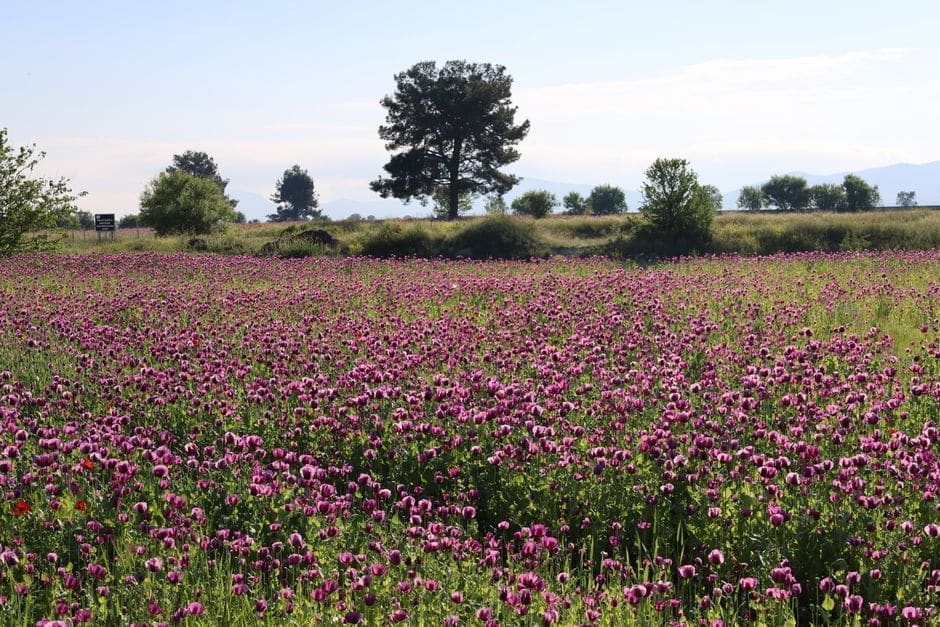
The picture on the can is real — somewhere, sometime, a meadow like that existed. The lie is the verb: shake. No meaningful patch of ground in the history of horticulture has been converted from lawn to meadow by shaking seeds at it, and the canister meadow's endurance as a product is a monument to how badly people want that to be false. The public consensus on this one is unusually loud: it's the most commonly reported disappointment in seed retail, and the mechanism of failure is completely understood.
The mechanism is competition. Wildflower seed scattered over living turf and established weeds is birdfeed; the incumbents own the light, the moisture and the soil contact, and seeds that never touch bare mineral soil mostly never germinate at all. Every credible meadow guide — university extensions, native-plant societies, the serious seed houses — starts with the same unglamorous instruction: kill or remove the existing vegetation first, then ensure seed-to-soil contact, then manage the first seasons while perennials establish. The can's marketing skips directly from purchase to bloom because the truthful middle section would end the sale. This is also why the same product succeeds in the one photo that is honestly captioned: bare, disturbed construction soil, where there were no incumbents to outcompete.
The category context lives in our High Country Gardens.
Even scattered on properly cleared ground, the can underdelivers by design. Generic national mixes are assembled for price and visual variety, not for your region — heavy on cheap, fast annuals that flower once and exit, light on the regional perennial natives that constitute an actual meadow. That composition produces the product's signature arc: a genuinely pretty first summer, a sparse and weedy second year, and a third year indistinguishable from neglect. Worse, bargain mixes have historically carried aggressive filler species — including some considered invasive in parts of the country — meaning the can's most durable contribution to your yard can be a problem plant. Read the species list on any mix before buying; a can that won't print one has answered your question.
What deserves your money instead: the real version, which is cheaper than it is easy. Regional seed houses and native-plant suppliers sell mixes built for your area and conditions; site preparation costs mostly labor; and the payoff timeline is honest — establishment over a few seasons rather than a summer, building toward a planting that feeds pollinators and needs no irrigation. It's among the most rewarding projects in gardening. It is simply not a product you shake. Even a single prepared bed's worth of regional mix — a trial meadow, if you like — will teach you more in one season than the can ever could.
So the can earns its place as this site's signature skip. Not because meadows fail — because meadows succeed, and this product stands between people and that success, converting meadow-curious gardeners into people who tried once and concluded it doesn't work. Spend the same impulse on a regional mix and a free extension-service guide, and aim the ambition at next spring instead of this weekend.
Key specs
- Type
- Category review — canister wildflower seed mixes
- Our position
- Skip the can; a real meadow starts with site prep and a regional mix